




PE Film Guide: Types, Properties, and Applications of LDPE, HDPE, LLDPE and Functional PE Films
Polyethylene (PE) film is one of the most widely used plastic films in the packaging industry due to its excellent flexibility, moisture resistance, durability, and processing performance. From food packaging and logistics wrapping to industrial protection and functional packaging applications, PE films play an important role in modern manufacturing.
However, “PE film” is not a single product. Depending on the polyethylene resin type, manufacturing process, and functional requirements, PE films can have very different characteristics and applications.
Common PE film categories include:
- LDPE film (Low Density Polyethylene Film)
- HDPE film (High Density Polyethylene Film)
- LLDPE film (Linear Low Density Polyethylene Film)
- PE shrink film
- PE stretch film
- PE protective film
- PE easy peel film
- PE easy tear film
- PE anti-static film
- PE food wrapping film
A PE film can also have multiple characteristics at the same time. For example, an LLDPE film can be designed as a stretch film, while an LDPE-based film can be developed into a protective film or heat sealing layer.
Table of Contents
Toggle1. PE Film Classification by Resin Type
The performance of PE film is mainly determined by the molecular structure of polyethylene resin. Different resin structures provide different balances of flexibility, strength, stiffness, and sealing performance.
1.1 LDPE Film (Low Density Polyethylene Film)
LDPE film is one of the earliest and most commonly used polyethylene films. Due to its highly branched molecular structure and lower crystallinity, LDPE provides excellent softness and flexibility.
Key Properties of LDPE Film
- Excellent flexibility and softness
- Good transparency
- Strong heat sealing performance
- Good moisture resistance
- Good impact resistance
- Easy processing
Because of these advantages, LDPE film is widely used as a sealing layer in flexible packaging structures.
Common Applications
LDPE film is commonly used for:
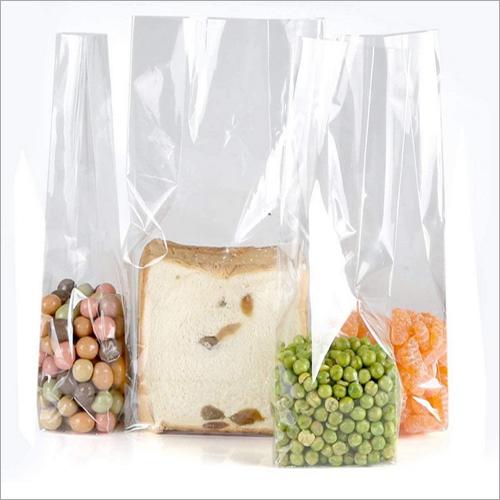
- Food packaging inner layers
- Plastic bags
- Packaging liners
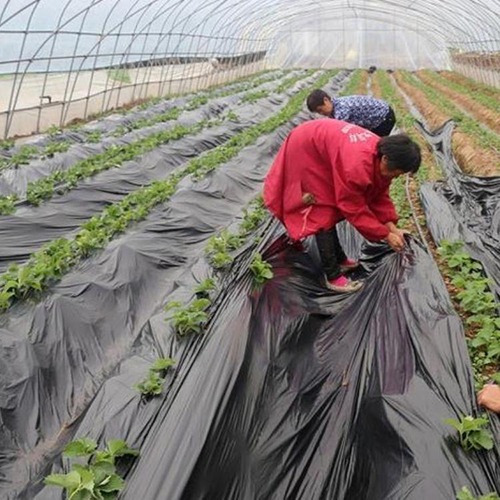
- Agricultural films
- Industrial packaging
- Heat sealing layers in laminated structures
For flexible packaging, LDPE is especially valuable because it provides reliable sealing performance and maintains package integrity during transportation.
1.2 HDPE Film (High Density Polyethylene Film)
HDPE film has a more linear molecular structure with higher crystallinity compared with LDPE. This gives HDPE higher stiffness and strength.
Key Properties of HDPE Film
- High rigidity
- Excellent stiffness
- Good environmental stress crack resistance
- Good tensile strength
- Lower flexibility compared with LDPE
HDPE is usually selected when a stronger and more rigid film is required.
Common Applications
Typical HDPE film applications include:
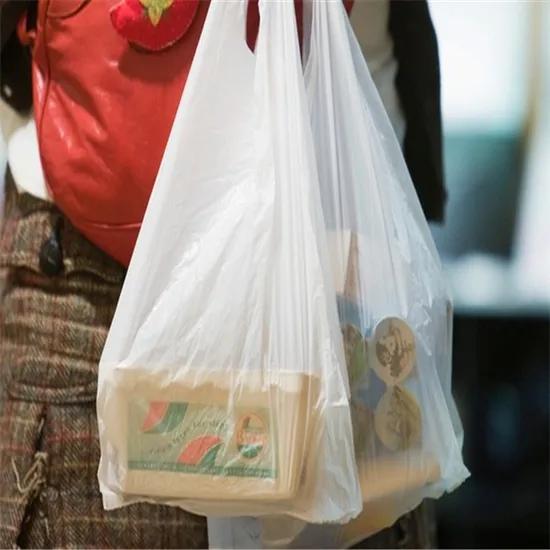
- Shopping bags
- Heavy-duty packaging bags
- Industrial packaging
- Construction films
- Release liner applications
Compared with LDPE, HDPE provides better stiffness but is less suitable as a soft heat sealing layer.
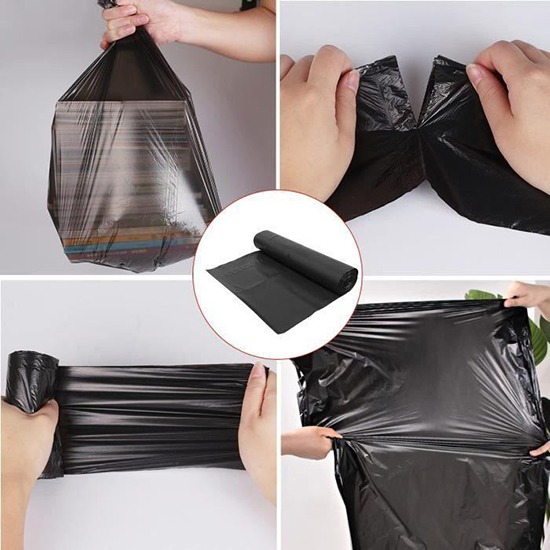
1.3 LLDPE and m-LLDPE Film
LLDPE (Linear Low Density Polyethylene) is one of the most important PE materials for high-performance flexible films.
Its linear molecular structure provides better mechanical strength than conventional LDPE.
Advantages of LLDPE Film
- Higher tensile strength
- Excellent puncture resistance
- Better tear resistance
- Strong stretching capability
- Improved impact resistance
m-LLDPE (Metallocene Linear Low Density Polyethylene) is an advanced type of LLDPE produced with metallocene catalyst technology.
Compared with traditional LLDPE, m-LLDPE offers:
- Higher toughness
- Better sealing performance
- Improved puncture resistance
- Better film strength at lower thickness
Common Applications
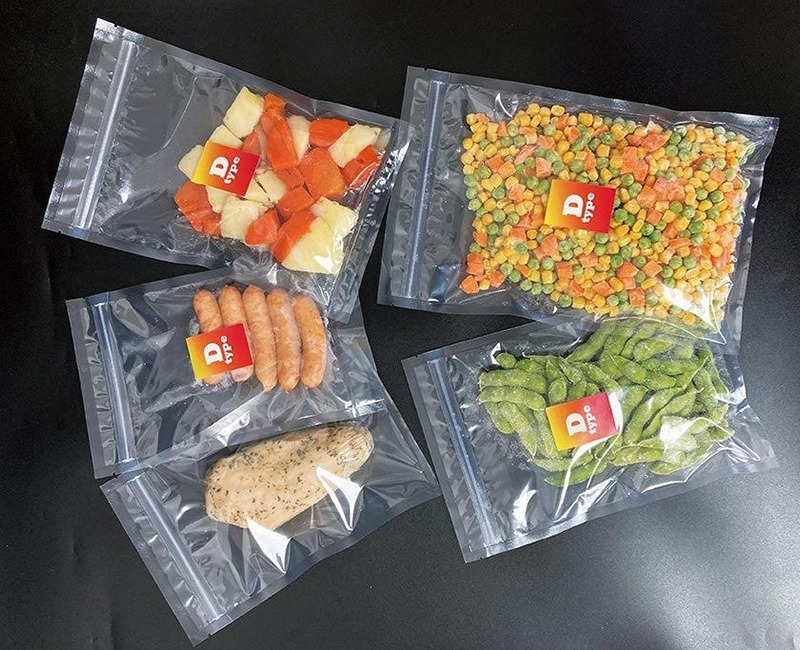
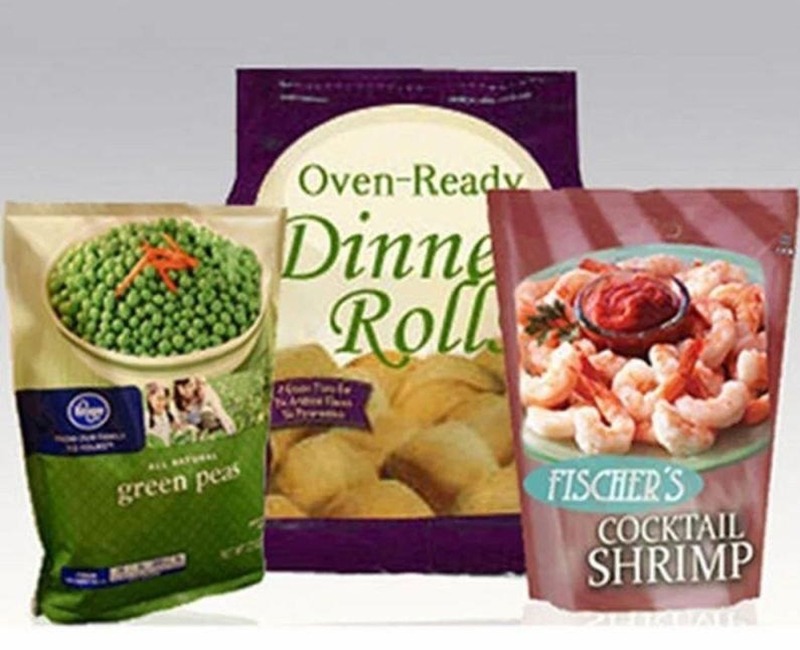
LLDPE and m-LLDPE are widely used for:
- Stretch films
- Shrink films
- Heavy-duty packaging
- Food packaging sealing layers
- High-performance laminated films
2. Comparison of LDPE, HDPE and LLDPE Films
| Property | LDPE | LLDPE | HDPE |
|---|---|---|---|
| Molecular structure | Highly branched | Linear with short branches | Highly linear |
| Flexibility | Excellent | Excellent | Lower |
| Strength | Medium | High | High |
| Stiffness | Low | Medium | High |
| Heat sealing | Excellent | Excellent | Limited |
| Main advantage | Softness and sealing | Strength and toughness | Rigidity |
Generally:
- LDPE is preferred when flexibility and sealing performance are important.
- LLDPE is selected when strength and stretchability are required.
- HDPE is suitable for applications requiring higher stiffness.
3. PE Films by Application and Function
Besides resin classification, PE films are also widely categorized according to their applications.
3.1 PE Film for Flexible Packaging
PE film is one of the most important materials in flexible packaging structures.
It is commonly used as:
- Inner sealing layers
- Packaging bags
- Food packaging films
- Industrial packaging materials
The excellent flexibility and heat sealing performance of PE make it suitable for high-speed packaging processes.
Depending on product requirements, PE films can also be modified with additional functions such as easy opening, anti-static performance, and tear control.
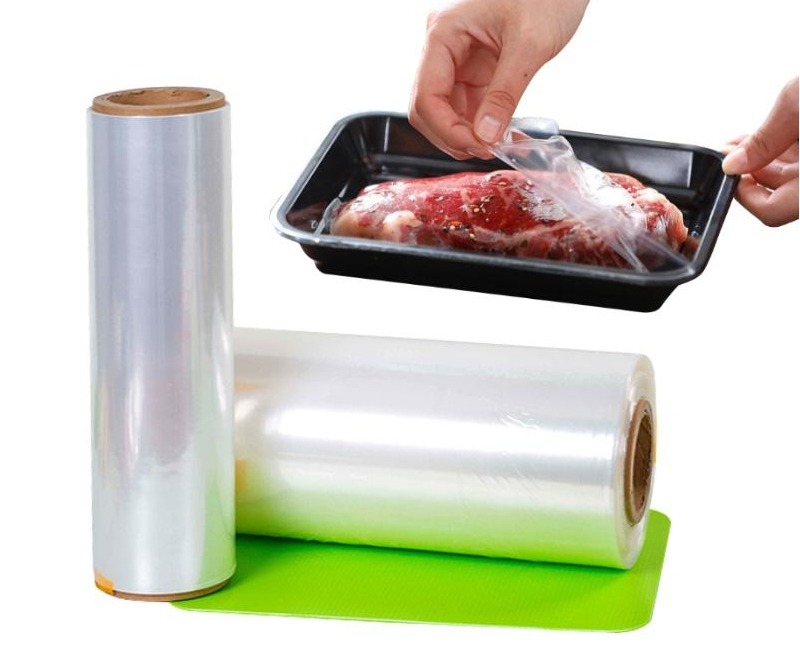
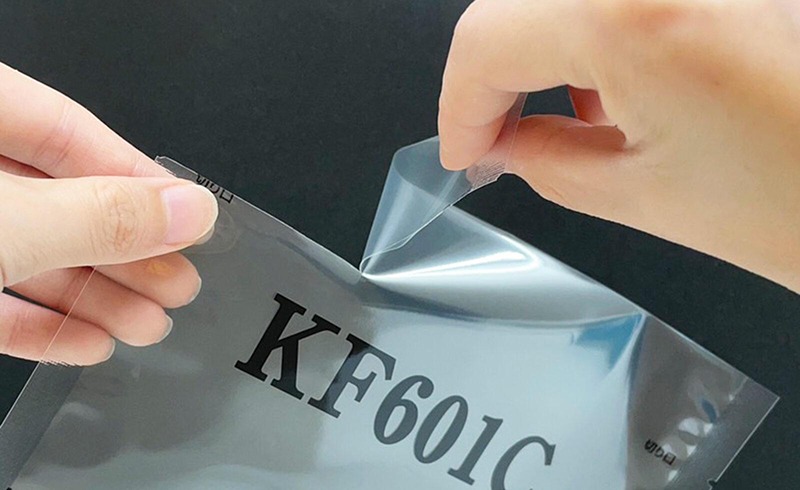
Easy peel film is designed to solve the problem of difficult package opening.
Traditional heat-sealed packaging provides strong sealing but may require excessive force to open. Easy peel PE film uses special resin formulations and multilayer structures to create controlled peel strength.
Main Benefits
- Secure sealing during storage and transportation
- Easy opening for consumers
- Reduced risk of seal failure
Common applications include:
- Food container lids
- Tray sealing
- Cup packaging
- Medical packaging
Easy peel performance is achieved by controlling the relationship between sealing strength and peel force.
Easy tear film focuses on improving the opening performance of the package itself.
Because PE naturally has high toughness and tear resistance, special design methods are required, including:
- Resin modification
- Multilayer structure design
- Controlled orientation
- Laser scoring or micro-perforation
Applications
PE easy tear films are commonly used for:
- Snack packaging
- Consumer food bags
- Convenient opening packages
The difference between easy peel and easy tear is:
- Easy peel → opening the sealed area
- Easy tear → tearing the film body
3.4 PE Boilable Film
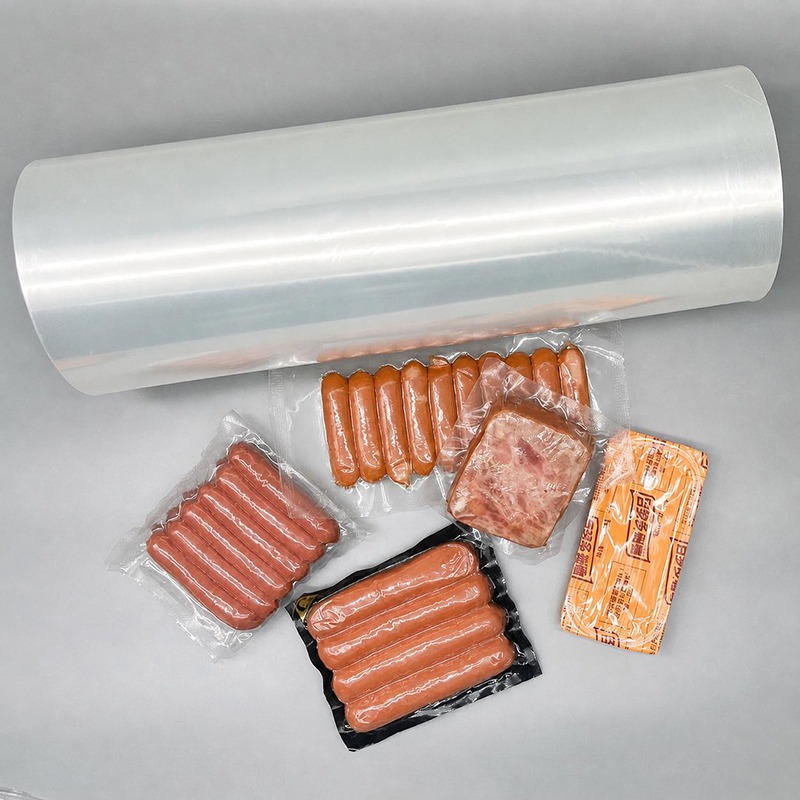
PE boilable film is designed for packaging products that require hot water processing.
It provides:
- Stable heat sealing
- Good mechanical strength
- Good dimensional stability
- Resistance to moisture and heat stress
However, PE boilable films are generally suitable for pasteurization or boiling conditions below 100°C.
For high-temperature retort applications such as 121°C sterilization, retort-grade CPP is normally selected instead.
Typical applications:
- Boiled food packaging
- Vacuum food packaging
- Flexible food pouches
3.5 PE Anti-Static Film
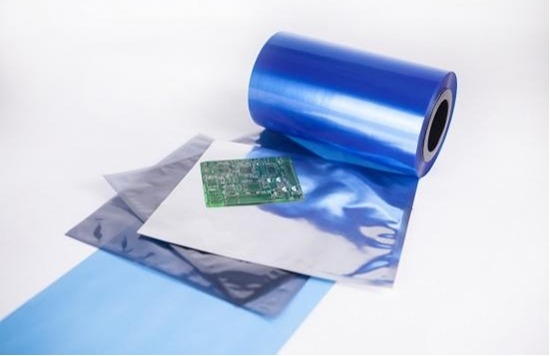
PE has excellent electrical insulation properties, but static electricity can accumulate during film processing, transportation, and packaging operations.
Anti-static PE film reduces static problems through:
- Internal anti-static additives
- Surface coatings
- Permanent anti-static systems
Benefits
- Reduce dust attraction
- Improve production stability
- Reduce static-related problems
- Protect sensitive products
Applications include:
- Electronic component packaging
- Precision product protection
- Industrial packaging
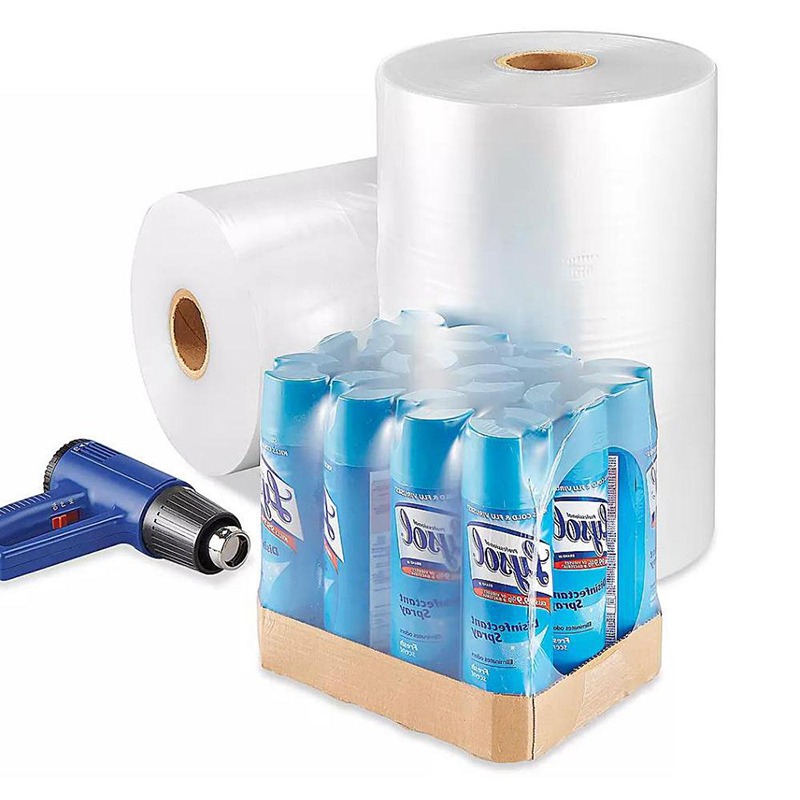
PE shrink film is produced through special film orientation processes. When heated, the film shrinks and tightly wraps around the packaged products.
Unlike stretch film, shrink film relies on heat activation.
Key Performance Indicators
- Shrink ratio
- Shrink temperature
- Shrink uniformity
- Tensile strength
- Puncture resistance
- Transparency
Typical material combinations:
- LDPE + LLDPE
- LDPE + mLLDPE
Applications:
- Beverage packaging
- Carton bundling
- Building materials
- Industrial product packaging
PE shrink film is mainly used for room-temperature packaging and is not suitable for high-temperature retort applications.
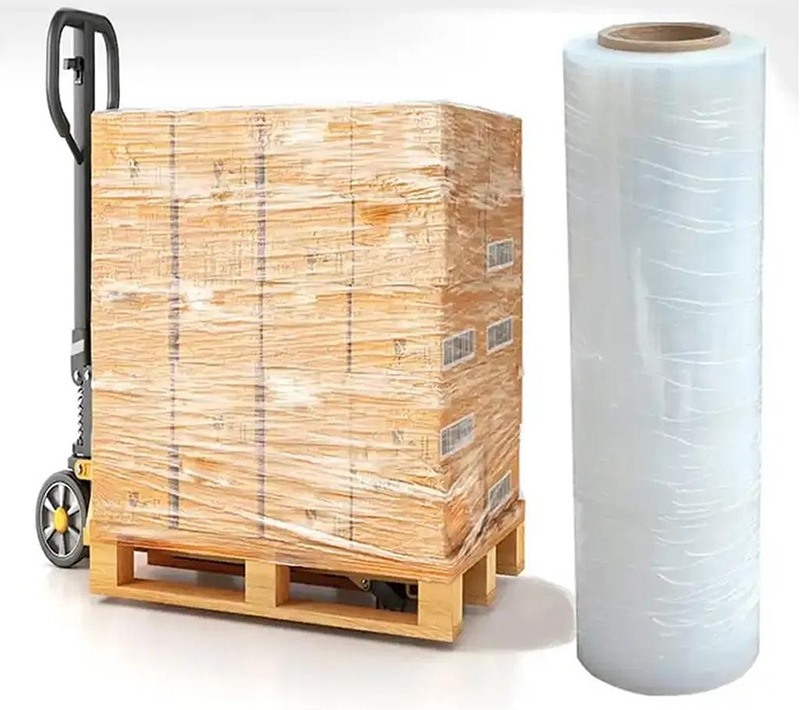
PE stretch film works differently from shrink film.
Instead of heat shrinking, stretch film uses mechanical stretching force and elastic recovery to secure products.
LLDPE is the main raw material because of its excellent stretching ability and toughness.
Advantages
- Strong load holding
- Good puncture resistance
- Excellent stretch performance
- Efficient packaging process
Applications:
- Pallet wrapping
- Warehouse packaging
- Logistics transportation
High-performance machine stretch films often use mLLDPE to achieve better strength with reduced thickness.
3.8 PE Protective Film
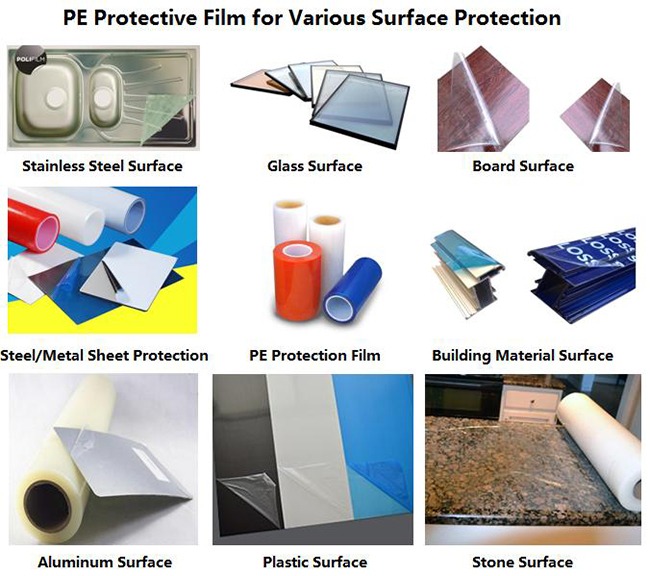
PE protective film is mainly designed to protect product surfaces during manufacturing, transportation, and installation.
It is commonly applied to:
- Stainless steel sheets
- Aluminum profiles
- Glass panels
- Plastic sheets
- Household appliances
Main functions:
- Prevent scratches
- Reduce dust contamination
- Protect surfaces during handling
Depending on requirements, PE protective films can be:
- Self-adhesive protective film
- Coated adhesive protective film
- Anti-static protective film
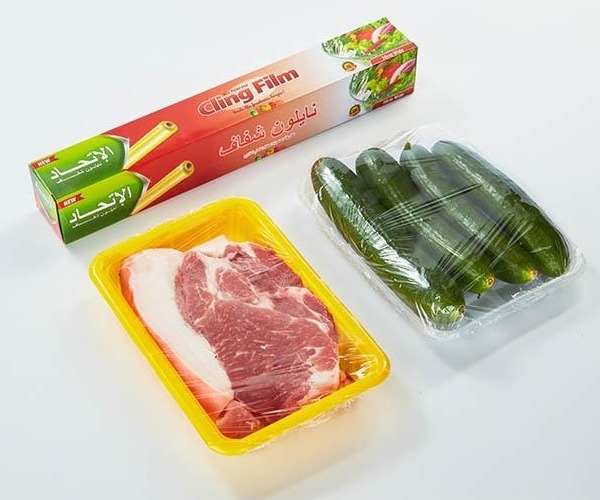
PE food wrapping film is widely used for household and commercial food packaging.
Its main advantages include:
- Good transparency
- Soft texture
- Excellent stretchability
- Good food contact performance
Common applications:
- Fruits and vegetables
- Meat products
- Seafood
- Bakery products
- Fresh food packaging
LDPE and LLDPE are commonly selected according to required flexibility and strength.
4. How to Choose the Right PE Film?
Selecting the correct PE film depends on several factors:
Application Requirements
Different applications require different properties:
- Packaging sealing → LDPE / LLDPE
- Stretch wrapping → LLDPE / m-LLDPE
- High stiffness → HDPE
- Surface protection → LDPE protective film
- Easy opening → Functional PE film
Performance Requirements
Important considerations include:
- Film thickness
- Tensile strength
- Transparency
- Heat sealing temperature
- Puncture resistance
- Stretch performance
- Anti-static requirements
Processing Conditions
Manufacturers should also consider:
- Packaging machine speed
- Printing requirements
- Lamination process
- Storage environment
- Final product requirements
Conclusion
PE film is a highly versatile material that can be customized for different industries and applications. LDPE provides excellent flexibility and sealing performance, HDPE offers stiffness and strength, while LLDPE and m-LLDPE deliver superior toughness and mechanical performance.
With advanced film processing technologies, PE materials can also be developed into functional solutions such as shrink film, stretch film, easy peel film, easy tear film, anti-static film, and protective film.
Understanding the differences between PE film types helps manufacturers select the right material for food packaging, industrial packaging, logistics, and specialty applications.
As a professional film material supplier, YS Film Materials provides customized PE film solutions based on application requirements, performance targets, and production needs.